

How to Save for a Big Purchase
Most people set a savings goal, pick a number that feels reasonable, and find out months later it was nowhere close. The fix takes about ninety seconds — and if the number that comes back is more than you can afford, there are three real moves worth knowing before you assume the goal won’t happen.

How to Save for a Down Payment When Money Is Tight
If you’ve been avoiding homeownership because 20% down feels impossible, you’ve been solving the wrong problem. That figure was never a requirement — it’s just the point where one specific fee disappears. The actual minimum is a lot closer than you’d guess, and once you know your real number, there’s a second question that matters more than the down payment itself.

Savings Goal Calculator: How Much Should You Save Each Month?
Work backward from a date to get your monthly number, or work forward from a monthly amount to get your date — this one runs the math either way. If your date and your monthly amount don’t line up, it shows you two ways to close the gap: push the date back, or save toward a smaller target, so you’re not stuck guessing.

Emergency Fund Calculator
Enter your essential monthly expenses and answer five questions about your situation, and this calculator works out your emergency fund target — rather than handing you a three-to-six-month range and leaving you to guess which end you belong at. It’ll also tell you how long it’ll take to get there, and where to start.

How Much Should You Have in an Emergency Fund?
If you’ve looked up how much to keep in an emergency fund, you got the answer everyone gets: three to six months of expenses. That’s a wide enough range to be almost useless — for someone spending $3,000 a month, it’s the difference between a $9,000 goal and an $18,000 one. Here’s how to find your own number, and why your first goal shouldn’t be that number at all.

Emergency Fund vs. Paying Off Debt: Which Comes First?
You’ve got a limited amount above your minimum payments, and two things competing for it. Both sides have a real argument, which is why you’ll find confident answers pointing in opposite directions. Here’s the sequence most approaches land on, and what it means if neither is possible right now.

How to Make a Budget That Actually Works
Most people who think they’ve failed at budgeting actually tried a budget built for someone else’s life. That’s a design problem, not a discipline problem. This guide covers the four steps that make a budget work — know what you earn, see where it goes, give every dollar a job, and adjust as life happens — plus how to pick the method that fits you.

Why Budgets Fail (and How to Fix It)
Almost everyone who has tried budgeting has abandoned one — usually after a month where the car needed brakes and a friend got married. The honest answer is that the budget was probably badly designed, not badly followed: aspirational numbers, no provision for annual expenses, too many categories, no buffer when one week runs over. Here are the seven most common causes and the fix for each.

Zero-Based Budgeting vs. 50/30/20: Which Method Should You Use?
Zero-based budgeting means giving every dollar a specific job before the month begins, until nothing is left unassigned. It’s the most precise personal budgeting method in common use — and the most demanding. Here’s how it works, where it came from (a corporate method born at Texas Instruments), and how it compares to the far simpler 50/30/20 rule.
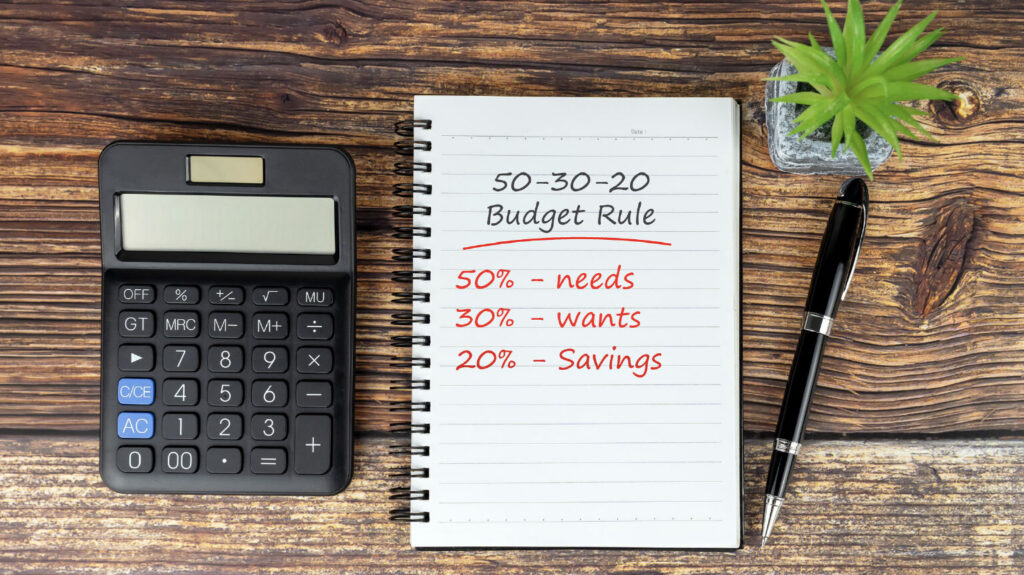
50/30/20 Budgeting Explained: A Simple Rule for Managing Your Money
If budgeting advice has ever left you glassy-eyed, the 50/30/20 rule reduces the whole project to three numbers you can remember: half your after-tax income to needs, 30% to wants, 20% to savings and debt. Here’s what belongs in each bucket (including tricky calls, like whether a gym membership is a need), a worked example, and what to do when your needs run over 50%.